Tag: physiotherapist

What is the Role of Physiotherapy in Rehabilitation and Recovery?

It is a very critical stage for a patient to recover from any surgery, injury or long-term illness. At this stage, they are supported by the specific role of physiotherapy in their rehabilitation and recovery state. It restores mobility and function by managing pain, and also works to inhibit future complications through personalised treatment plans. It includes a scheduled manual therapy, patient information and exercise. 

A physiotherapist assists patients in regaining their strength, movement, and coordination following an illness, accident, or surgery. It is required to improve the quality of life of the patient. There are many other important aspects of physiotherapy carried out by physiotherapists. Let’s explore this further to learn more about them:

Finding the root of the problem

To find the actual problem is essential for rehabilitation and recovery, a physiotherapist checks the patients’ muscular stamina, pain or stress level, coordination and mobility. It shows what to do and what may be preventing recovery. This allows for the identification of hidden problems, including weak muscles and joint-straining movement habits.

Developing a treatment plan is the next stage. It incorporates mobility, comfort, and strength-building activities. It also includes tricks to improve joint mobility and relax muscle tension. Any plan should change as your body gets better. To keep your healing progressing, a good therapist continuously adjusts it.

Building strength and mobility

Restoring the fundamental structure is essential to rehabilitation. The benefits of physiotherapy include:

  • Muscle strength
  • Flexibility
  • Balance and coordination
  • Joint movement
  • Functional mobility

These modifications make daily tasks easier. They also lessen the likelihood of further injuries. The goal of Physiotherapy Blacktown and Minchinbury is the same: to improve the body’s ability to move in everyday life.

Physiotherapy in Minchinbury and Blacktown is covered by item code 15_055_0128_1_3, which supports these goals for individuals receiving NDIS funding. Through organised therapy and supervised exercise, this support aids participants in developing safe movement habits. It also helps them increase their strength and improve their mobility.

Pain management that supports long-term progress

Physiotherapy is one of the best methods for fast pain recovery. It promotes ease and lowers the pain by involving mobility, manual massage, and stretching. These actions will keep your body or affected part in motion for fine functionality. This is how physiotherapy is important for pain management.    

Building confidence and independence

Regaining your mobility and confidence is a key component of therapy. By choosing the option of physiotherapy, patients can make their activities stress-free. This treatment enables the patient to move independently. They can walk, stand up, and climb stairs more easily. These actions provide them with freedom and efficiency in their life. 

When treatment comes to you

During their healing process, some patients are unable to attend a clinic. Home-based physical treatment can be beneficial in certain situations. It enables the therapist to customise workouts to your real living space and offers the same calibre of care in your house. Patients recovering from serious injuries or with limited movement will benefit greatly.

Long-term health and prevention

A solid recovery program continues beyond a few sessions. You learn how to stay active safely, avoid recurring discomfort, and preserve your strength through physiotherapy. Many patients keep checking in sometimes to ensure that their project continues on its intended path.

Conclusion

A skilled physiotherapist has a special role to play in rehabilitation and recovery. They help their patients in developing mental and physical self-belief and confidence. Physiotherapy helps to reduce pain and increase the rate of flexibility in movements.  

By integrating evaluation, therapy, and counselling in a way that promotes long-term health, it clearly contributes to rehabilitation. National Care Providers is the greatest choice for anyone in Blacktown or Minchinbury seeking dependable, individualised physiotherapy care by an experienced physiotherapist.


What are the Different Types of Physiotherapy Treatments?

Physiotherapy functions as a dynamic & vital field of healthcare to recover physical activity. It lowers the pain for restoring the movement. The treatment of Physiotherapy is provided by a Physiotherapist. They provide different types of Physiotherapy to the patient as per the needs of their recovery. Let’s learn more about this therapy below: 

What is Physiotherapy? 

Physiotherapy, also known as physical therapy, helps people improve their physical movements. It does so through movement, physical activity, and other physical methods. By treating the fundamental physical problems, it tries to maximise, preserve, and restore physical strength, operation, movement, and general health. Vital components of physical therapies:

  • Pain Management
  • Restoring Movement and Function
  • Improving physical well-being
  • Disease prevention

A Physiotherapist, a medical professional, has the intense knowledge of movement mechanisms, physiology and anatomy. They can handle their patients for the Physiotherapy treatment.      

Core Physiotherapy Treatments

Treatments involving core Physiotherapy concentrate on stabilising and strengthening the stomach, back, and pelvic floor muscles. These therapies treat musculoskeletal disorders. It also aims to improve movement control, reduce discomfort, and enhance balance, promoting overall health. It involves the following treatments: 

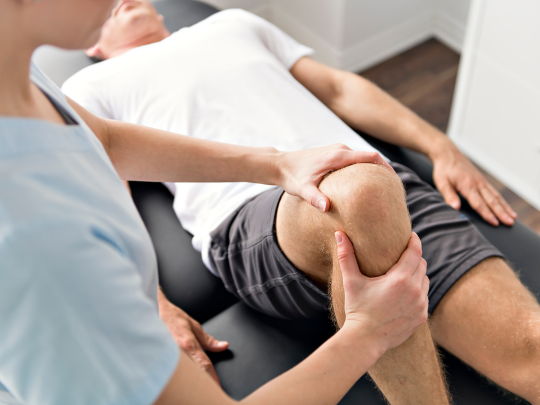
1. Manual Therapy: In manual therapy, Physiotherapist utilises stimulation, therapy of soft tissue massage & joint mobilisation. It is active in treating stiffness, pain & movement restoration. It recovers the disorders of the musculoskeletal system.  

2. Therapeutic Exercises: Physiotherapists create patient-specific training programs to restore mobility via assigned exercises. Its application boosts durability, balance, stamina, and versatility in motion.
3. Physical Agents: In this type, Physiotherapy treatment is performed with a hot or cold substance. Warm water is used for joints to make their movement less painful, it is hydrotherapy. Acute injuries benefit from cold therapy to reduce inflammation, but ongoing discomfort requires heat therapy.

4. Electrotherapy: Electrotherapy uses moderate pulses or currents to stimulate nerves and muscles. Non-invasive approach is utilized for pain relief, muscular strengthening, tissue healing, and mental health.
5. Acupuncture and Dry Needling: Thin needles are inserted into precise bodily sites to relieve pain and promote healing. Advanced dry needling targets muscular trigger points, unlike traditional acupuncture.
6. Taping and Joint Mobilisation: Rehabilitative and sports medicine use taping and joint mobilisation to treat pain, range of motion, and functional deficits. Joint mobilisation promotes joint play and lowers discomfort while taping supports and facilitates mobility.
7. Rehabilitation and Strengthening Programs: Rehabilitation & strengthening programs are helpful for patients suffering from injury. These programs motivate the patients emotionally & physically to promote their posture & movement. 

8. Range of Motion (ROM) Exercises: ROM exercises enhance flexibility and reduce muscle stiffness. This range of motion workout targets different mobility and independence levels: 

  • Passive (PROM)
  • Active assistive (AAROM)
  • Active (AROM)
     

Specialised Areas in Physiotherapy

Specialised Physiotherapy is suitable for sports injury rehabilitation, neurological disorders, and senior mobility. These sub-specialties allow physiotherapists to custom treatments to a patient’s health concern.

1. Orthopaedic Physiotherapy
2. Neurological Physiotherapy
3. Cardiopulmonary Physiotherapy
4. Sports Physiotherapy
5. Paediatric Physiotherapy
6. Geriatric Physiotherapy
7. Pelvic Floor Physiotherapy

Conclusion

Physiotherapy helps to motivate the motion with new postures & movements. It maintains the strategy to keep your body fit after any accident or surgery. It promotes your body to be active for your next task, emotionally & physically as well. The different types of Physiotherapy treatment can be conducted by an experienced Physiotherapist. They can perform their well-known Physiotherapy treatment in different areas of the health field.