Speech Therapy Blacktown: Support for Clear Communication
Find expert speech therapy in Blacktown for children & adults. NDIS funded support for lisp, stuttering, and speech clarity. Culturally sensitive care with Arabic-speaking therapists.


Find expert speech therapy in Blacktown for children & adults. NDIS funded support for lisp, stuttering, and speech clarity. Culturally sensitive care with Arabic-speaking therapists.

Clear communication is a fundamental life skill that influences learning, relationships, employment opportunities, and self-confidence. From a child’s first words to an adult’s ability to express thoughts clearly, communication plays a vital role in everyday functioning and emotional wellbeing.
Across Australia, there is growing awareness of speech and language challenges affecting children, teenagers, adults, and older Australians. With early identification and professional support, many communication difficulties can be significantly improved. Accessing speech therapy Sydney families and individuals’ trust allows people to strengthen communication skills, build confidence, and improve quality of life through evidence-based intervention.
Before recognising when speech therapy may be required, it is important to understand how speech, language, and communication develop and how they differ from one another.
Speech refers to the physical production of sounds and words, including clarity, pronunciation, and fluency. Language involves understanding and using words, sentences, and meaning, both spoken and written. Communication is the broader ability to express needs, thoughts, and emotions effectively through verbal and non-verbal methods.
Difficulties may occur in one area or across multiple areas, which is why professional assessment is essential. A qualified speech therapist Blacktown residents rely on can accurately identify the nature of the challenge and recommend appropriate intervention.
Children develop speech and language at different rates, but there are general milestones that guide expectations. Toddlers typically begin using words by age one, combining words by age two, and forming clearer sentences by preschool age. By school entry, most children can communicate needs, follow instructions, and engage socially with peers.
Delays in these milestones do not always indicate a long-term issue, but early monitoring ensures concerns are addressed before they impact learning or confidence.
Speech and communication difficulties are not limited to childhood. Adults may experience challenges following injury, stroke, neurological conditions, or due to workplace communication demands. Older Australians may notice changes in speech clarity, comprehension, or voice quality over time.
In these cases, speech therapy services for Blacktown and Sydney-based professionals play a vital role in maintaining independence, confidence, and social participation.
Recognising the early signs of communication difficulty allows individuals and families to seek support before challenges escalate.
Children may struggle with pronunciation, sentence formation, understanding instructions, or expressing ideas clearly. Some children avoid speaking, become frustrated when misunderstood, or have difficulty interacting with peers.
Speech challenges can also coexist with behavioural or emotional difficulties, where coordinated support from a psychologist in Blacktown family’s trust may be beneficial alongside speech therapy.
Delayed speech development may include limited vocabulary, difficulty combining words, unclear speech beyond expected age, or trouble understanding language. Early assessment ensures targeted intervention that supports both communication and learning readiness.
Parents can remember that getting support early is not about labeling a child. It is about giving them extra tools and encouragement to help them grow and succeed.
Adults may experience speech difficulties due to injury, neurological conditions, voice strain, or anxiety in professional settings. Challenges such as stuttering, word-finding difficulties, or reduced confidence in communication can affect employment and relationships.
Professional intervention supports adults in rebuilding clarity, confidence, and effective communication strategies.
Speech therapy provides structured, evidence-based support to improve communication abilities across all age groups.
Speech therapy sessions begin with a comprehensive assessment to identify strengths, challenges, and goals. Therapy plans are tailored to individual needs and may include structured exercises, interactive activities, and real-world communication practices.
A qualified speech therapist works collaboratively with individuals and families to ensure therapy remains engaging, practical, and effective.
Language therapy focuses on understanding and using words, sentences, and concepts effectively. This includes improving vocabulary, sentence structure, listening skills, and expressive language.
For individuals with broader developmental or behavioural needs, collaboration with behavioural therapy Blacktown services or a behavioural therapist Blacktown families rely on can enhance outcomes through consistent strategies.
Speech therapy plans are adapted based on age, abilities, goals, and environments. Whether supporting early speech development, academic success, or workplace communication, personalised intervention ensures meaningful progress.
Early intervention is one of the most effective ways to support long-term communication success.
Early speech and language therapy take advantage of brain plasticity, allowing skills to develop more naturally. Addressing challenges early reduces frustration, prevents secondary learning difficulties, and supports emotional wellbeing.
Children who receive early therapy often show improved confidence, academic readiness, and social participation.
Communication difficulties can affect classroom learning, peer relationships, and behaviour. When children struggle to express themselves, they may withdraw or display challenging behaviours.
Collaborative care involving speech therapy, occupational therapy in Blacktown, and psychological support ensures both communication and emotional needs are addressed holistically.
As communication skills improve, individuals gain confidence in expressing needs and participating socially. This independence positively influences mental health, relationships, and future opportunities.
Speech therapy is helpful for people of all different ages, with approaches adapted to suit each person’s developmental and functional needs.
For children, speech therapy focuses on sound development, language comprehension, social communication, and pre-literacy skills. Therapy supports school readiness by improving listening, turn-taking, and expressive language.
Collaboration with an occupational therapist in Blacktown families trust may also support fine motor skills, sensory processing, and classroom participation.
Teenagers may require support with social communication, presentation skills, and academic language demands. Therapy helps build confidence in peer interactions, oral assessments, and everyday conversations.
Adolescents experiencing emotional challenges may benefit from coordinating care with a top psychologist in Blacktown to support both communication and mental wellbeing.
Adults seek speech therapy for voice issues, neurological recovery, accent modification, or workplace communication skills. Therapy supports clarity, confidence, and effective communication in professional and social settings.
Adults recovering from injury may also benefit from physiotherapy in Blacktown services to support physical recovery alongside communication goals.
Selecting the right provider ensures therapy is effective, supportive, and aligned with individual goals.
Look for registered professionals with experience across age groups and conditions. A trusted speech therapist in Blacktown should offer evidence-based practice, clear communication, and a collaborative approach with families.
Family involvement is essential, especially for children. Evidence-based therapy ensures strategies are effective, while family-centred care supports consistency across home, school, and community settings.
National Care Providers offer integrated, client-focused services across Sydney. Their approach connects speech therapy to Sydney services with allied health professionals such as psychologists, occupational therapists, and physiotherapists to support whole-person wellbeing.
Therapy is most effective when supported by everyday practice at home and in the community.
Parents and caregivers can encourage communication by modelling clear speech, expanding children’s words, reading together, and creating opportunities for conversation during daily routines.
Consistency between therapy and home environments reinforces progress and builds confidence.
Play-based learning supports natural communication development. Everyday routines such as meals, outings, and bedtime provide meaningful opportunities for language use.
Communication is closely connected to physical and emotional health. Some individuals benefit from additional support such as:
This multidisciplinary approach supports confidence and engagement in communication.
Clear communication is essential for confidence, connection, and independence at every stage of life. Whether supporting a child’s early speech development, helping a teenager navigate social communication, or assisting an adult with workplace or recovery needs, professional support makes a lasting difference.
Accessing trusted speech therapy Sydney families and individuals rely on ensures personalised, evidence-based care that supports long-term success. With integrated services across Sydney and in Blacktown, National Care Providers are committed to helping individuals strengthen communication skills, improve wellbeing, and reach their full potential.

Communication is a fundamental part of daily life, enabling us to express our needs, connect with others, and participate fully in society. Strong communication skills are essential for learning, work, and social interactions, making it a cornerstone of overall wellbeing.
Speech therapy plays a vital role in supporting individuals who face challenges in speaking, understanding, or using language effectively. From helping children develop foundational speech skills to assisting adults recovering from injury or illness, speech therapy Sydney provides professional support tailored to everyone’s needs.
This article explores how to recognise when speech therapy is needed, the benefits of early intervention, practical strategies to support communication at home, and how therapy clinics in Sydney can provide personalised guidance for both children and adults.
Speech and language development follows a general pattern, especially in children, but milestones can vary widely. Recognising these stages helps parents and carers identify potential challenges early.
Children typically begin babbling between 4–6 months and say their first words for around one year. By age two, they start forming simple sentences, and by five, most children can communicate using complex sentences that are understood by unfamiliar adults. Monitoring these milestones helps parents identify delays and seek early intervention if necessary.
Adults may face speech difficulties due to stroke, traumatic brain injury, neurological disorders, or age-related changes. Therapy helps restore clarity, comprehension, and confidence in everyday conversations, enabling adults to continue participating fully in social and professional settings.
Speech involves articulation and pronunciation, while language focuses on vocabulary, grammar, and sentence structure. Communication skills include non-verbal cues, social interaction, and comprehension. Understanding these distinctions ensures appropriate therapy and targeted exercises.
Identifying early signs of communication difficulties allows for timely support and better outcomes.
Children may have delayed speech milestones, difficulty pronouncing words clearly, or limited vocabulary compared to peers. They might also struggle to understand instructions or communicate effectively in social settings. Early detection through observation and assessments by a therapy clinic ensures the right support is provided promptly.
Adults may experience challenges articulating words, forming sentences, or understanding language after injury or illness. Communication difficulties can reduce confidence, impact relationships, and affect performance at work or in social activities. Speech therapy addresses these challenges through targeted exercises and functional strategies.
Persistent communication difficulties can affect academic performance, social participation, and overall wellbeing. Early intervention via language therapy helps prevent frustration, isolation, and long-term speech challenges while enhancing quality of life.
Speech therapy offers numerous advantages for children and adults, improving communication, confidence, and overall wellbeing.
Therapy enhances articulation and pronunciation, helping clients speak clearly and be understood by others. Structured exercises and repetition target problem sounds and build confidence in everyday conversations.
Language therapy strengthens vocabulary, grammar, and sentence formation. Clients also learn to process and understand spoken language more effectively, supporting academic performance, workplace communication, and social interactions.
As communication skills improve, clients feel more confident in engaging in conversations and participating in social or professional settings. Improved confidence often encourages active participation in learning environments and social activities.
Early intervention reduces the risk of persistent communication difficulties. Parents and caregivers can reinforce strategies at home, ensuring consistency and helping children or adults achieve measurable improvements over time.
Sydney offers professional services to meet diverse communication needs for children and adults, delivered through therapy clinics with experienced speech pathologists.
Therapy begins with a comprehensive evaluation of speech, language, and communication abilities. Standardised tests, observations, and parent or client interviews help identify strengths and challenges.
Personalised assessments are crucial in creating targeted therapy plans. They ensure interventions address specific goals and provide measurable outcomes for clients of all ages.
Therapists develop tailored plans to address specific speech, language, or communication difficulties. Programs include exercises for articulation, vocabulary, grammar, and social communication.
Structured therapy also includes functional activities to integrate skills into daily life. This ensures clients can apply what they learn in real-world situations, enhancing independence and confidence.
Family involvement is essential for reinforcing therapy strategies at home. Parents and carers receive guidance on home-based exercises, communication games, and practical strategies for daily interactions.
This support helps children and adults practise skills consistently outside therapy sessions. Caregivers also learn ways to encourage progress while fostering independence.
Early support can significantly improve outcomes for individuals with speech or language challenges.
Engage children in daily conversation, storytelling, and reading aloud. For adults, encourage structured conversations, practice with social scenarios, and repetition of challenging words or phrases.
Consistent engagement helps build vocabulary, grammar, and confidence. Fun activities like games, songs, and role-playing make learning interactive and effective.
Monitor for persistent speech delays, unclear pronunciation, or difficulty understanding instructions. Seeking help promptly from a speech therapy Sydney provider can prevent more complex challenges in the future.
Apps, interactive games, and digital resources provide additional support. They make therapy engaging and allow both children and adults to practise skills consistently in a convenient way.
Speech therapy is also vital for adults recovering from injury or managing communication difficulties due to neurological or age-related conditions.
Therapy focuses on regaining clarity in speech, improving comprehension, and enhancing overall communication skills. Exercises target articulation, fluency, and cognitive communication.
Therapists work with adults to restore essential communication abilities for home, work, and social situations. Clients learn strategies to compensate for persistent difficulties, improving confidence, and independence.
Speech therapy often works alongside physiotherapy treatments and occupational therapy to support comprehensive rehabilitation. This approach ensures physical, cognitive, and communication goals are achieved together for better recovery outcomes.
Choosing a qualified provider ensures safe, effective, and personalised care.
Look for registered speech pathologists with experience in working with children, adults, or specific conditions. Verify credentials, specialisations, and previous client outcomes to ensure quality service.
Select therapy clinics offering evidence-based interventions tailored to individual needs. Personalised therapy plans are more effective than generic programs, as they target specific challenges and measurable goals.
National Care Providers deliver comprehensive speech therapy Sydney services, including assessment, therapy plans, and family support. Their professional clinics ensure children and adults receive structured, effective interventions to enhance communication skills.
Speech therapy is essential for supporting communication, independence, and confidence across all ages. Early intervention helps prevent long-term difficulties and promotes social, academic, and professional success. To learn how our expert speech therapy Sydney services can support you or your loved ones, contact us today for personalised guidance and tailored care.
Professional therapy clinics provide tailored programs and guidance for both children and adults, ensuring every client receives the support they need. By integrating daily practice, family involvement, and structured therapy, individuals can improve speech, comprehension, and overall communication.
To discuss personalised speech therapy programs in Sydney, improve communication skills, or explore therapy that helps children, contact us today and take the first step towards better speech and confidence.
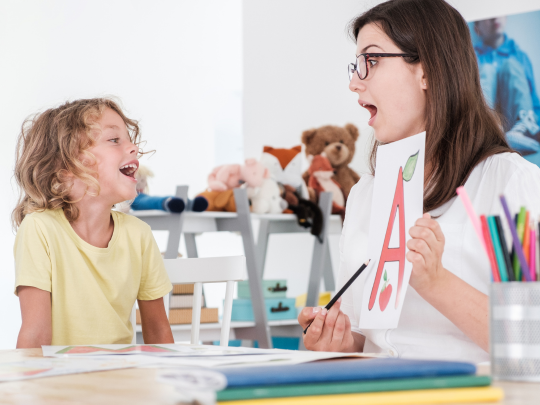
For those who struggle with swallowing or speech, selecting the best speech therapy facility in Blacktown can significantly alter their lives. There are multiple benefits of this therapy that provide improved communication, social skills, and boost confidence. An appropriate speech therapist can recognise the basic difficulties and needs of their patients. Here are the following points to choose the right speech therapy clinic in Blacktown, NSW:
You should choose the clinic providing speech treatment for all ages, as this will be helpful for kids, seniors and adults as well. There are different therapies of speech according to the needs of the age limits. The authentic clinic must have the ability to treat the issues of understanding, stammering, difficulties with pronunciation, voice disorders or swallowing.
Every client has different communication needs. An experienced speech therapist detects their difficulties and designs a customised treatment plan for them. You can judge this plan by following the evidence-based techniques based on the best reliable, and successful results.
Asking for the participation of families or friends in the speech therapy motivates the patient to follow the treatment more joyfully. The speech therapist who deals with the close relatives of the patients helps to treat them faster, mostly in the case of children. Here, parents, teachers, and their caregiver support their treatment via a speech therapist. They also help in boosting social skills and communication strength.
Finding your speech therapy centre in an easily accessible location is crucial. Verify whether the clinic provides flexible scheduling alternatives, including telemedicine appointments, home sessions, or in-clinic visits. The individuals of Blacktown can conveniently pick our best services that perfectly suit them. It is simpler to maintain therapy consistency when there is this flexibility.
Verify that Speech Therapy or a similar professional organisation has the therapists at the practice registered and certified. To find out if the therapist has experience with clients with similar needs to yours, ask them. Transparent clinics provide explicit information regarding prices, session structure, and credentials. They also go over how treatment will help and what results you might anticipate.
Better results come from early help, including speech therapy. If a child is having issues in communicating or pronouncing words, then you must start their speech therapy immediately. Adults with stroke or brain injury should start therapy early to improve communication faster.
Speech therapy goes beyond communicating better. It raises self-assurance, communication abilities, awareness, and school, career, and social achievement. An excellent clinic improves communication and well-being.
It is important to connect with a clinic that has a speech therapist to understand their problem by being a good friend. This relationship can provide a healthy space of comfort for the patient to move freely with their activities.
You must clear the participation in the clinic’s NDIS (National Disability Insurance Scheme) funding to receive the services at a reasonable session cost. A trustworthy clinic will provide open details about schemes and costs, which is helpful for their patients to choose them.
Choosing the best Blacktown speech therapy clinic requires locating experts who genuinely comprehend your objectives. Seek out expertise, customisation, adaptability, and a nurturing atmosphere where advancement is quantifiable and significant.
If you’re prepared to start, National Care Providers provides skilled, considerate speech therapy services in Blacktown and Minchinbury. Their staff provides customers of all ages with individualised treatment that enhances confidence, speaking, and language. Reach out and begin your or your loved one’s path to improved communication and a more self-assured existence.

Communication is important to share emotions and information among others, which develops maturity in children. The communication forms the links between children and their parents, other family members and friends. This socialism helps the children to build their self-esteem along with their independent academic performance. But unfortunately, some students face the challenge of disability due to their communication problems. They may have issues in understanding and reacting, have trouble pronouncing words correctly, or have speech delays. Such children require the assistance of Speech Therapy.
The diagnosis and treatment of communication, language, and speech disorders are the main goals of speech therapy. Children learn how to clearly express themselves, become more empathetic, and have excellent social skills. In addition to evidence-based practices, therapists employ enjoyable, engaging exercises and activities to guarantee an effective and fruitful process.
Speech therapy works on the sounds of children that help to maintain their good actions in expressing their sentences or feelings. This boosts the children’s confidence in participating in their school activities or other social activities.
For the best results, early intervention is crucial. Parents ought to think about seeking professional advice if:
The goal of speech therapy is to assist children in becoming more comfortable and confident communicators. Every session blends organised instruction with engaging activities, all customised to meet the child’s needs. Families and teachers are also very important in helping people achieve success, besides therapy.
1. First, a thorough evaluation determines the child’s strengths and shortcomings.
2. The child’s needs are then considered when creating a therapy plan.
3. Games, role-playing, storytelling, and other motivating methods are used in sessions.
4. Parents are given tips on how to help their child at home with progress outside of sessions.
5. In regular classroom situations, educators may help strengthen communication skills.
Communication is an important part of children’s development that helps them enhance their social skills and hidden qualities. The effective and optimistic treatment of children suffering from communication issues can be done by Speech Therapy. Authorised speech therapists help children maintain their full focus on social, academic and emotional growth. The correct assistance can make a huge impact if your child is having trouble with language or speaking.
Speech Therapy at National Care Providers strives to be individualised, successful, and encouraging to help children realise their greatest potential. Our skilled speech specialist team is dedicated to encouraging better communication and giving your children the tools they need to succeed.

The speech of an individual is essential to communicate in the social environment. Stuttering is one of the impairments of speech that causes imperfection in speaking. If the condition of speech is left untreated, it may lead to repetitive sounds, word fragmentation or prolonged pauses in the speech.
It occurs mostly in youngsters and affects their speaking muscles. This can be resolved by the application of Speech Therapy, which is directed by a Speech Therapist. It is a challenging process to understand the mental & emotional thoughts of a patient suffering from stuttering. Here, the Speech Therapist performs with their patient as a friend to communicate with them. We’ll find out how.
Speech Therapy works as a boon to treat the communication skills of the patient suffering from stuttering. This therapy is applied to patients by experienced Speech Therapists which is useful for their stuttering including speech and language disorders. A speech therapist, also known as a speech-language pathologist, works with individuals to reduce stuttering symptoms and improve their speaking abilities.
Depending on age, kind of stuttering, and degree of severity, Speech Therapy benefits in many different ways. It follows this:
1. Identifying Symptoms and Patterns
First, a Speech Therapist hears the patient’s speech. They describe the precise symptoms, such as word switching, blocking, or auditory repetition, and record the occurrence and cause. This makes a plan that works for the individual.
2. Teaching Control Techniques
The ability to manage one’s speech is one of the main goals of Speech Therapy. They can practice smoother sentence construction, breath control, and voice slowing techniques with these exercises. Some methods are as follows:
3. Improving Confidence
Stuttering directly affects the mental & emotional health of the patient. It leads them to a level of anxiety or depression and it allows them to lose self-confidence. Here, a Speech Therapist helps to gain or rebuild the confidence of the individual suffering from stuttering.
4. Working on Physical Movements
When they are stuck on a word, some stutterers may develop behaviours like gripping their fists or blinking. Techniques to lessen these motions and improve the simplicity of speech may be part of Speech Therapy.
5. Family and School Involvement
Teachers and family members are frequently involved in Speech Therapy for youngsters. They are taught how to support children and create a calm environment. They are also taught to avoid putting excessive pressure on children during interactions.
Early intervention has a significant impact. The majority of kids who start Speech Therapy early either fully recover or significantly improve. Therapy can be very helpful for those who stutter frequently. They can learn to control their stuttering and speak more fluently, but they might not completely quit it.
Stuttering hits the personality and causes hesitation, anxiety or depression in the individual. Speech Therapy can be beneficial for the following:
Stuttering can be treated with Speech Therapy. Speech pathologists use various methods to improve speech for patients. It is the easiest way to enhance confidence in speaking or communicating in a social atmosphere. Yes, it is possible to get rid of stammering by choosing the correct Speech Therapy through the correct Speech Therapist.
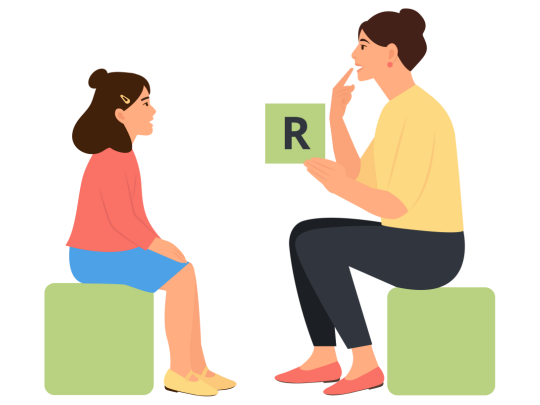
Your child’s ability to communicate is crucial to their growth and development. This factor helps your child to build social links & is essential for their academic achievements. There is a unique time of child’s development when they develop their communication skills among their society & surroundings. Yet, some children face challenges in getting connected with their social circle as they are unable to communicate. This difficulty arises due to complications in their speech & language. This problem can be treated with Speech Therapy Services in Liverpool. These seven signs may suggest your child needs speech therapy:
If your young child is making an incorrect pronunciation, you can help them solve it. But if they don’t correct it and improve after a certain age, they may need the help of Speech Therapy Services in Liverpool, NSW. This therapy can assist with the child’s pronunciation problem and will also enhance the confidence of the child.
When a child grows through their communication development they learn & achieve various vocabulary stages. At this stage, if your child’s vocabulary is limited compared to their peers, or they struggle to identify words to express themselves, there is a concern. This gives the sign that they are undergoing the delayed phase of language. With the use of Speech Therapy Services in Liverpool, they might be able to improve their vocabulary and communication abilities.
When your child faces the challenge of understanding the language they also find difficulty in following directions. Your child may experience language difficulties with processing if they routinely appear confused or struggle to understand basic instructions. Speech Therapy Services in Liverpool can evaluate and target their comprehension abilities.
Stuttering is a type of speech abnormality in which the speech patterns get broken. It is a speech disorder. Speech Therapy Services in Liverpool can help your child learn ways to improve their fluency and feel less frustrated when they stutter, hesitate, or repeat sounds a lot.
If your child is struggling to maintain their social group like with their friends, family or relatives. For this, they need to improve their communication skills and require a proper way of speaking with their social circles. Speech Therapy Services in Liverpool can solve the issues of your child to maintain their social interactions.
Speech Therapy Services in Liverpool can solve the difficulty of literacy skills of your child. The problem with literacy skills highly affects your child, due to which your child gets complications with spelling, reading, or writing. These literacy skills are extremely important to your child’s academic achievement & this can be treated by speech therapy.
Child growth includes baby talk, but it should end by a certain age. If your child uses too simplistic speech patterns beyond their peers, Speech Therapy Services in Liverpool can help them speak more correctly.
If you notice abnormal signs of communication in your child or baby, verify them at an early stage. If you do, solving the issue through speech therapy will be easier. This can be done by following the Speech Therapy Services in Liverpool. Where the highly professional speech therapist can assist your child physically & mentally to tackle their speech disorder.
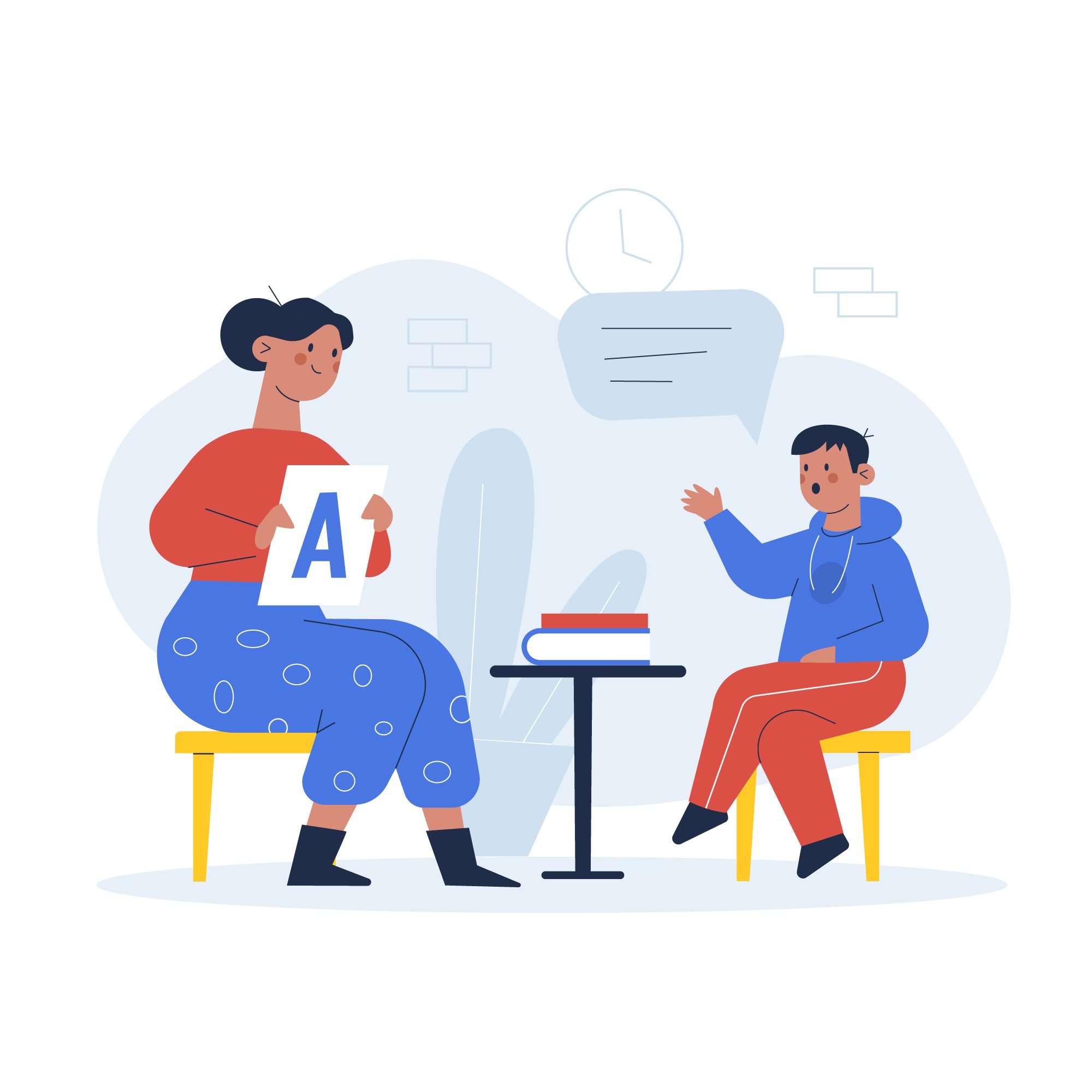
Services for speech, language, and communication impairments are vital for individuals in need of assistance. These are specialised services designed to address voice abnormalities, fluency problems, and articulation troubles. Speech therapists help patients communicate better, which improves their quality of life, by using evidence-based treatments. Speech therapy services Blacktown are essential for both adults and children, with an emphasis on individualised treatment, since they promote improved social interactions and academic success.
For the ones who’ve trouble speaking, interpreting, reading, and writing, these offerings are important. Individuals of all ages can get diverse benefits of speech therapy for language difficulties.
When a person has hassle pronouncing sounds correctly, they may be stated to have articulation problems. For example, a youngster would say “wabbit” rather than “rabbit.” Their speech could be hard to understand as a result. By addressing these pronunciation problems, Speech therapy services Blacktown promotes more effective and understandable communication.
Additionally, comprehension of discussions, instructions, and queries is improved with speech therapy. Receptive language abilities are the focus of therapists’ work since they are necessary for understanding and processing spoken language.
In educational environments, these abilities are essential because kids must be able to follow directions and participate in class discussions. Increased understanding in social situations facilitates following talks, which improves the purpose and efficacy of interactions.
Improving communication talents is one of speech therapy’s predominant blessings. Speech therapists use a variety of techniques to help patients understand and use language better, pronounce words more clearly, and engage in productive discussions.
This development can have a big influence on kids’ social skills and academic achievement. Regaining lost communication skills can help adults, especially those who have experienced a stroke or traumatic brain injury, build stronger personal and professional bonds.
Speech patterns that are disrupted by stuttering and other fluency problems include longer noises, repeated sounds, and unexpected pauses. Speaking might become a difficult process due to these interruptions. Speech therapy services Blacktown help people communicate more confidently and eloquently by teaching them coping mechanisms for these interruptions.
Grammar, sentence structure, vocabulary, and understanding are all improved by speech therapy. For people of all ages, interactive activities aid in the development of these essential language skills. Enhancing social relationships with children and adults alike, as well as improving language abilities via speech therapy, are major benefits of improved language outcomes.
Language difficulties can be effectively treated with Speech therapy services Blacktown. They greatly increase confidence, strengthen language understanding, and improve communication abilities. Individualised treatment sessions that are adapted to each patient’s needs result in significant advancements, improving social and academic outcomes for patients.