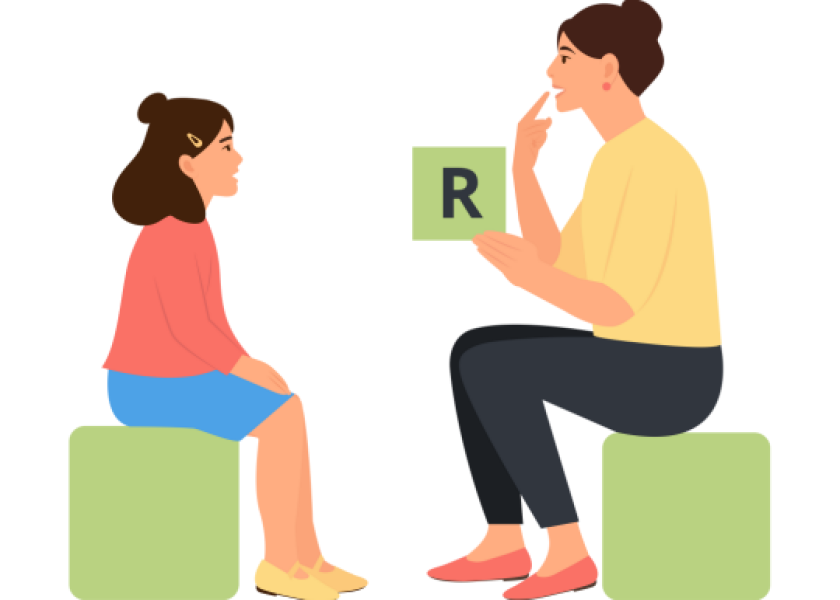
Clear communication is a fundamental life skill that influences learning, relationships, employment opportunities, and self-confidence. From a child’s first words to an adult’s ability to express thoughts clearly, communication plays a vital role in everyday functioning and emotional wellbeing.
Across Australia, there is growing awareness of speech and language challenges affecting children, teenagers, adults, and older Australians. With early identification and professional support, many communication difficulties can be significantly improved. Accessing speech therapy Sydney families and individuals’ trust allows people to strengthen communication skills, build confidence, and improve quality of life through evidence-based intervention.
Understanding Speech Language and Communication Development
Before recognizing when speech therapy may be required, it is important to understand how speech, language, and communication develop and how they differ from one another.
Difference Between Speech Language and Communication Skills
Speech refers to the physical production of sounds and words, including clarity, pronunciation, and fluency. Language involves understanding and using words, sentences, and meaning, both spoken and written. Communication is the broader ability to express needs, thoughts, and emotions effectively through verbal and non-verbal methods.
Difficulties may occur in one area or across multiple areas, which is why professional assessment is essential. A qualified speech therapist Blacktown residents rely on can accurately identify the nature of the challenge and recommend appropriate intervention.
Typical Speech Development Milestones in Children
Children develop speech and language at different rates, but there are general milestones that guide expectations. Toddlers typically begin using words by age one, combining words by age two, and forming clearer sentences by preschool age. By school entry, most children can communicate needs, follow instructions, and engage socially with peers.
Delays in these milestones do not always indicate a long-term issue, but early monitoring ensures concerns are addressed before they impact learning or confidence.
How Communication Challenges Affect Adults and Older Australians
Speech and communication difficulties are not limited to childhood. Adults may experience challenges following injury, stroke, neurological conditions, or due to workplace communication demands. Older Australians may notice changes in speech clarity, comprehension, or voice quality over time.
In these cases, speech therapy services for Blacktown and Sydney-based professionals play a vital role in maintaining independence, confidence, and social participation.
Signs That Speech Therapy May Be Needed
Recognizing the early signs of communication difficulty allows individuals and families to seek support before challenges escalate.
Common Speech and Language Difficulties in Children
Children may struggle with pronunciation, sentence formation, understanding instructions, or expressing ideas clearly. Some children avoid speaking, become frustrated when misunderstood, or have difficulty interacting with peers.
Speech challenges can also coexist with behavioural or emotional difficulties, where coordinated support from a psychologist in Blacktown family’s trust may be beneficial alongside speech therapy.
Indicators of Delayed Speech Development
Delayed speech development may include limited vocabulary, difficulty combining words, unclear speech beyond expected age, or trouble understanding language. Early assessment ensures targeted intervention that supports both communication and learning readiness.
Parents can remember that getting support early is not about labeling a child. It is about giving them extra tools and encouragement to help them grow and succeed.
Speech and Communication Challenges in Adults
Adults may experience speech difficulties due to injury, neurological conditions, voice strain, or anxiety in professional settings. Challenges such as stuttering, word-finding difficulties, or reduced confidence in communication can affect employment and relationships.
Professional intervention supports adults in rebuilding clarity, confidence, and effective communication strategies.
The Role of Speech Therapy in Improving Communication Skills
Speech therapy provides structured, evidence-based support to improve communication abilities across all age groups.
What Speech Therapy Involves and How Sessions Are Structured
Speech therapy sessions begin with a comprehensive assessment to identify strengths, challenges, and goals. Therapy plans are tailored to individual needs and may include structured exercises, interactive activities, and real-world communication practices.
A qualified speech therapist works collaboratively with individuals and families to ensure therapy remains engaging, practical, and effective.
How Language Therapy Supports Comprehension and Expression
Language therapy focuses on understanding and using words, sentences, and concepts effectively. This includes improving vocabulary, sentence structure, listening skills, and expressive language.
For individuals with broader developmental or behavioural needs, collaboration with behavioural therapy Blacktown services or a behavioral therapist Blacktown families rely on can enhance outcomes through consistent strategies.
Personalized Therapy Plans for Every Stage of Life
Speech therapy plans are adapted based on age, abilities, goals, and environments. Whether supporting early speech development, academic success, or workplace communication, personalized intervention ensures meaningful progress.
Benefits of Early Intervention in Speech and Language Therapy
Early intervention is one of the most effective ways to support long-term communication success.
Why Early Support Leads to Better Outcomes
Early speech and language therapy take advantage of brain plasticity, allowing skills to develop more naturally. Addressing challenges early reduces frustration, prevents secondary learning difficulties, and supports emotional wellbeing.
Children who receive early therapy often show improved confidence, academic readiness, and social participation.
Impact on Learning Behavior and Social Interaction
Communication difficulties can affect classroom learning, peer relationships, and behaviour. When children struggle to express themselves, they may withdraw or display challenging behaviours.
Collaborative care involving speech therapy, occupational therapy in Blacktown, and psychological support ensures both communication and emotional needs are addressed holistically.
Building Confidence and Independence
As communication skills improve, individuals gain confidence in expressing needs and participating socially. This independence positively influences mental health, relationships, and future opportunities.
Speech Therapy for Different Age Groups
Speech therapy is helpful for people of all different ages, with approaches adapted to suit each person’s developmental and functional needs.
Speech Therapy for Children: Supporting Speech Development and School Readiness
For children, speech therapy focuses on sound development, language comprehension, social communication, and pre-literacy skills. Therapy supports school readiness by improving listening, turn-taking, and expressive language.
Collaboration with an occupational therapist in Blacktown families trust may also support fine motor skills, sensory processing, and classroom participation.
Speech Therapy for Teenagers: Social Communication and Academic Support
Teenagers may require support with social communication, presentation skills, and academic language demands. Therapy helps build confidence in peer interactions, oral assessments, and everyday conversations.
Adolescents experiencing emotional challenges may benefit from coordinating care with a top psychologist in Blacktown to support both communication and mental wellbeing.
Speech Therapy for Adults: Recovery and Workplace Communication
Adults seek speech therapy for voice issues, neurological recovery, accent modification, or workplace communication skills. Therapy supports clarity, confidence, and effective communication in professional and social settings.
Adults recovering from injury may also benefit from physiotherapy in Blacktown services to support physical recovery alongside communication goals.
Choosing the Right Speech Therapy Services in Sydney
Selecting the right provider ensures therapy is effective, supportive, and aligned with individual goals.
What to Look for in a Qualified Speech Pathologist
Look for registered professionals with experience across age groups and conditions. A trusted speech therapist in Blacktown should offer evidence-based practice, clear communication, and a collaborative approach with families.
Importance of Evidence-Based and Family-Centered Care
Family involvement is essential, especially for children. Evidence-based therapy ensures strategies are effective, while family-centered care supports consistency across home, school, and community settings.
How National Care Providers Deliver Personalized Services
National Care Providers offer integrated, client-focused services across Sydney. Their approach connects speech therapy to Sydney services with allied health professionals such as psychologists, occupational therapists, and physiotherapists to support whole-person wellbeing.
Supporting Communication Skills at Home and in Daily Life
Therapy is most effective when supported by everyday practice at home and in the community.
Simple Strategies for Parents and Caregivers
Parents and caregivers can encourage communication by modelling clear speech, expanding children’s words, reading together, and creating opportunities for conversation during daily routines.
Consistency between therapy and home environments reinforces progress and builds confidence.
Encouraging Communication Through Play and Routine
Play-based learning supports natural communication development. Everyday routines such as meals, outings, and bedtime provide meaningful opportunities for language use.
Complementing Therapy with Allied Health Support
Communication is closely connected to physical and emotional health. Some individuals benefit from additional support such as:
- Physiotherapists Blacktown for posture and breath control
- Physio Blacktown and physiotherapy services Blacktown for neurological or physical recovery
- A podiatrist in Blacktown to support mobility and participation
- Podiatry services Blacktown for functional independence
This multidisciplinary approach supports confidence and engagement in communication.
Conclusion
Clear communication is essential for confidence, connection, and independence at every stage of life. Whether supporting a child’s early speech development, helping a teenager navigate social communication, or assisting an adult with workplace or recovery needs, professional support makes a lasting difference.
Accessing trusted speech therapy Sydney families and individuals rely on ensures personalized, evidence-based care that supports long-term success. With integrated services across Sydney and in Blacktown, National Care Providers are committed to helping individuals strengthen communication skills, improve wellbeing, and reach their full potential.