Which Type of Physiotherapy is Best for Your NDIS Needs?
NDIS participants: discover which type of physiotherapy is best for your unique needs. Learn about funding, choosing providers & achieving your goals.


NDIS participants: discover which type of physiotherapy is best for your unique needs. Learn about funding, choosing providers & achieving your goals.
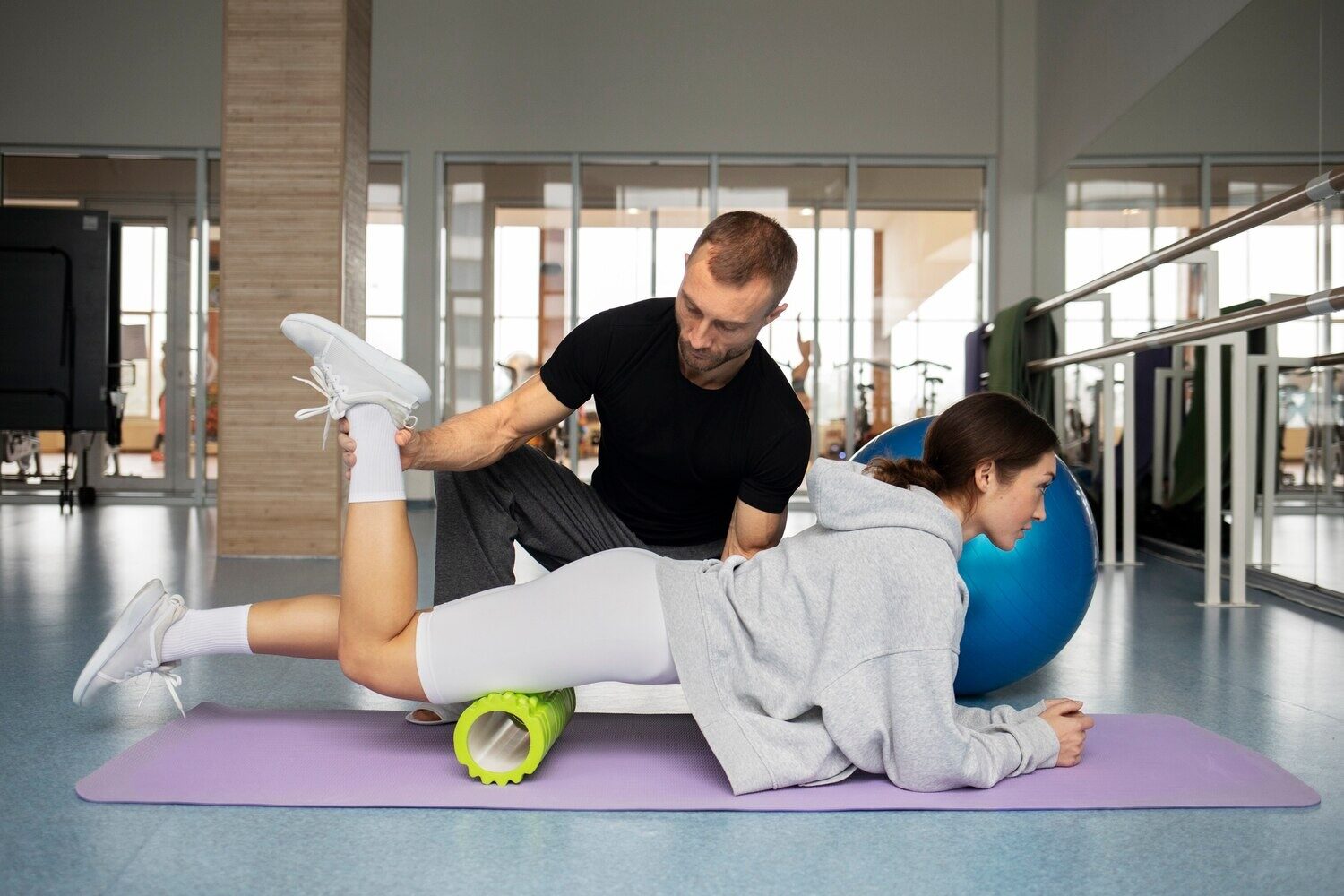
Mobility plays an important role in everyday life. From walking and working to simple daily activities, the ability to move comfortably can affect overall wellbeing. When mobility is limited due to injury, illness, or long-term conditions, physiotherapy offers a structured way to regain movement and confidence. At National Care Providers, physiotherapy focuses on practical, personalised care that supports individuals in improving how they move and function. Working with a top physiotherapist in Blacktown can help identify the root cause of movement difficulties and introduce techniques that are both safe and effective.
This guide explores some of the most commonly used physiotherapy techniques that help improve mobility and support long term physical health.
Mobility refers to how well a person can move their body freely and without pain. It includes flexibility, strength, coordination, and balance. When any of these areas are affected, daily tasks can become more challenging. Reduced mobility can be caused by a range of factors, including injury, ageing, neurological conditions, or muscle weakness. Physiotherapy focuses on improving these areas through targeted exercises and hands on techniques.
Before starting treatment, a physiotherapist conducts a detailed assessment. This helps identify the specific areas that need support.
Based on this, a tailored plan is created to match the individual’s needs. A physiotherapy clinic Blacktown typically follows this structured approach to ensure safe and effective care.
Manual therapy involves hands on techniques used by physiotherapists to improve movement and reduce discomfort.
This technique focuses on gently moving joints to improve their range of motion. It is often used for stiffness or restricted movement.
Massage techniques target muscles and connective tissues to reduce tension and improve circulation.
Guided stretching helps lengthen muscles and improve flexibility, which supports smoother movement.
Exercise is one of the most important parts of physiotherapy. It helps strengthen muscles, improve flexibility, and restore movement.
Specific exercises target weak muscles to improve support around joints.
Stretching routines help increase range of motion and reduce stiffness.
These exercises focus on everyday movements such as sitting, standing, and walking.
Balance is essential for safe movement, especially for older adults or individuals recovering from injury. These activities are introduced gradually to ensure safety and effectiveness.
Pain can limit movement and affect quality of life. Physiotherapy includes several techniques to manage pain while improving mobility.
Heat helps relax muscles, while cold therapy reduces inflammation and swelling.
This technique uses gentle electrical signals to support muscle activation and pain relief.
Supportive taping can help stabilise joints and reduce strain during movement.
For individuals with neurological conditions, mobility challenges may require specialised techniques.
Therapists guide patients through controlled movements to rebuild coordination.
Improving posture helps support better balance and movement patterns.
Consistent practice helps the brain and body work together more effectively.
Occupational therapy focuses on helping individuals perform daily tasks more independently. An occupational therapy clinic in Blacktown may support individuals who need help adapting their environment or learning new ways to complete tasks.
While speech therapy is often linked to communication, it can also play a role in overall recovery, especially for individuals with neurological conditions.
Speech therapy services Blacktown may support areas such as coordination of facial muscles and swallowing, which can be connected to broader physical health.
Hydrotherapy involves performing exercises in water, which reduces pressure on joints and makes movement easier.
In some cases, assistive devices can support safer and more comfortable movement. Physiotherapists guide individuals on how to use these aids correctly to maintain independence.
Regular practice and consistency are key to improving mobility. Physiotherapy is not only about attending sessions but also about continuing exercises at home.
Physiotherapy also focuses on prevention by improving strength, flexibility, and posture. Working with a top physiotherapist in Blacktown can help identify potential risks early and address them before they become more serious.
Improving mobility can have a positive impact on many aspects of life. These outcomes are achieved through consistent effort and guided support.
Improving mobility is a gradual process that requires the right combination of techniques, guidance, and consistency. Physiotherapy offers a structured approach that focuses on building strength, flexibility, and confidence in movement. With personalised care and a focus on practical outcomes, individuals can work towards better mobility in a way that fits their lifestyle and needs.
If you are looking to improve mobility and explore the right support options, contact us today to learn how tailored physiotherapy services can help you move with greater ease and confidence.
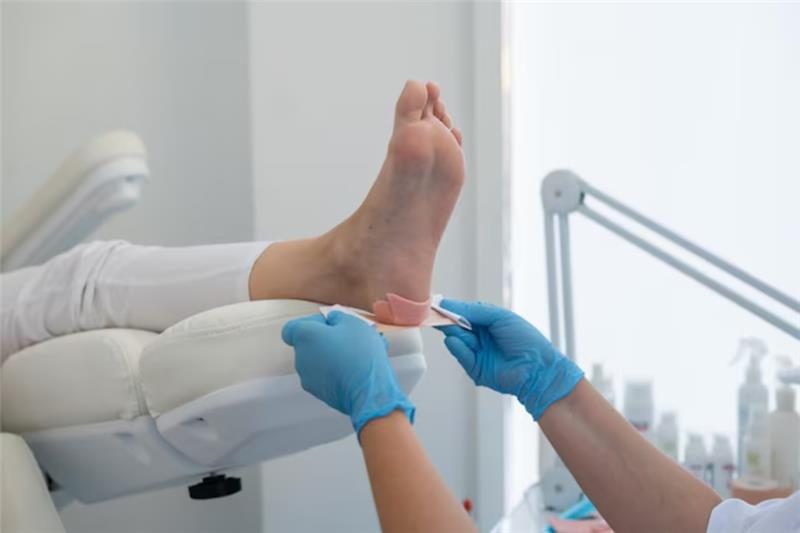
Our feet are the unsung heroes of our daily lives, carrying us through work, exercise, and leisure. Unfortunately, foot health is often overlooked until problems arise. Maintaining foot health is crucial not just for comfort, but for overall mobility and well-being.
Whether you’re an athlete, an older adult, or someone experiencing foot pain, regular check-ups and professional care can prevent serious issues from developing. National Care Providers offers comprehensive podiatry care, ensuring that Australians maintain strong, healthy, and pain-free feet.
In this blog, we explore the importance of foot health, common foot conditions, and how expert podiatry care can help you stay active and comfortable.
Foot health is about more than just avoiding blisters or sore heels. Our feet are complex structures with bones, muscles, ligaments, and nerves working together to support our weight and balance. Ignoring foot care can lead to chronic pain, mobility issues, and even injuries in other parts of the body, like knees or hips.
Maintaining foot health provides multiple benefits:
Recognising the importance of healthy feet is the first step toward proactive care and prevention.
Foot problems can affect anyone, regardless of age or activity level. Some issues are minor, while others may require professional intervention. Understanding the types of foot conditions helps you identify when to seek podiatry care.
Some common foot issues include:
Early identification and treatment of these conditions can prevent complications and improve overall foot health.
Podiatrists are medical professionals specialising in foot and lower limb care. They provide assessment, diagnosis, and treatment of a wide range of foot problems, as well as advice on prevention strategies.
Regular visits to a podiatrist help detect problems early and maintain long-term foot health. Services include orthotics, nail care, diabetic foot checks, and injury management.
Podiatrists offer:
For those in the Blacktown area, comprehensive podiatry services Blacktown are available to support ongoing foot health needs.
Footwear plays a crucial role in foot health. Wearing shoes that don’t fit properly can exacerbate existing problems and even create new ones. Choosing the right shoes reduces the risk of blisters, bunions, and other issues.
Proper footwear should:
A podiatrist can help assess your footwear and recommend shoes or orthotics tailored to your individual needs, preventing discomfort and injuries.
Maintaining foot health doesn’t stop at podiatry appointments. Daily care at home ensures that your feet remain healthy, clean, and pain-free. Simple routines can prevent infections and chronic problems.
Home foot care includes:
Consistent foot hygiene and observation can make a significant difference in preventing foot problems.
Active lifestyles and sports put extra stress on the feet. Without proper care, athletes may experience chronic pain, overuse injuries, or delayed recovery. Podiatrists play a key role in managing these challenges.
Common concerns for active individuals include:
Regular assessment by a podiatrist ensures safe and effective performance while reducing injury risks.
Foot health requirements change across the lifespan. Children and older adults are particularly vulnerable to foot problems. Early intervention and routine care are essential to maintain mobility and comfort.
Children need monitoring to prevent issues such as flat feet or irregular gait, while older adults may face arthritis, decreased circulation, or neuropathy.
Services for these groups include:
Podiatry services often complement other healthcare needs, such as working with a speech therapist Blacktown for comprehensive care in multi-disciplinary settings.
Daily habits and lifestyle choices significantly affect foot health. Factors like diet, physical activity, and body weight can contribute to foot conditions or prevent them altogether.
Positive lifestyle changes include:
Healthy choices combined with professional care led to stronger, pain-free feet.
Knowing when to consult a podiatrist can prevent small foot issues from turning into chronic problems. Early intervention often improves outcomes and reduces the need for surgery or extensive treatments.
Signs you should see a podiatrist include:
Scheduling regular podiatry check-ups is a proactive approach to long-term foot health.
Orthotics are custom-made shoe inserts designed to support the feet and improve alignment. They can relieve pain, correct structural problems, and enhance overall mobility.
Podiatrists can assess your gait and foot structure to recommend the right orthotics for your needs. Benefits include:
Custom orthotics are often a simple yet highly effective solution for chronic foot issues.
Foot injuries, whether from accidents, sports, or overuse, require professional care to ensure proper recovery. Podiatrists provide treatment plans that minimise downtime and prevent further damage.
Rehabilitation programs can include:
Effective injury management ensures you can return to daily activities and exercise safely.
Foot health is closely linked to overall wellness. Conditions like diabetes, arthritis, and obesity can have direct effects on the feet, and vice versa. Integrating podiatry care into your general health routine enhances overall quality of life.
Collaborative care may involve:
Proactive podiatry care supports broader health goals and long-term mobility.
Maintaining foot health is an ongoing commitment. Consistency in both professional and home care routines ensures that your feet remain strong, flexible, and pain-free throughout your life.
Long-term strategies include:
A lifelong commitment to foot health pays off in comfort, mobility, and independence.
Feet are the foundation of mobility, and maintaining them requires attention, care, and professional support. With expert podiatry services, Australians can prevent foot problems, manage chronic conditions, and stay active longer.
Whether through routine check-ups, orthotics, or rehabilitation programs, trusting specialists like National Care Providers ensure. Your feet remain healthy and pain-free. For advice or to schedule an appointment, don’t hesitate to contact us and take the first step toward stronger, healthier feet today.
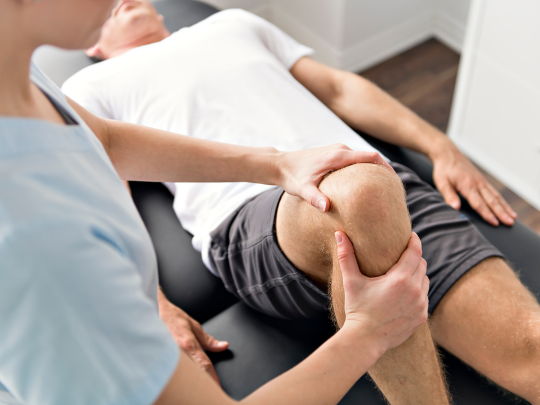
It is a very critical stage for a patient to recover from any surgery, injury or long-term illness. At this stage, they are supported by the specific role of physiotherapy in their rehabilitation and recovery state. It restores mobility and function by managing pain, and also works to inhibit future complications through personalised treatment plans. It includes a scheduled manual therapy, patient information and exercise.
A physiotherapist assists patients in regaining their strength, movement, and coordination following an illness, accident, or surgery. It is required to improve the quality of life of the patient. There are many other important aspects of physiotherapy carried out by physiotherapists. Let’s explore this further to learn more about them:
To find the actual problem is essential for rehabilitation and recovery, a physiotherapist checks the patients’ muscular stamina, pain or stress level, coordination and mobility. It shows what to do and what may be preventing recovery. This allows for the identification of hidden problems, including weak muscles and joint-straining movement habits.
Developing a treatment plan is the next stage. It incorporates mobility, comfort, and strength-building activities. It also includes tricks to improve joint mobility and relax muscle tension. Any plan should change as your body gets better. To keep your healing progressing, a good therapist continuously adjusts it.
Restoring the fundamental structure is essential to rehabilitation. The benefits of physiotherapy include:
These modifications make daily tasks easier. They also lessen the likelihood of further injuries. The goal of Physiotherapy Blacktown and Minchinbury is the same: to improve the body’s ability to move in everyday life.
Physiotherapy in Minchinbury and Blacktown is covered by item code 15_055_0128_1_3, which supports these goals for individuals receiving NDIS funding. Through organised therapy and supervised exercise, this support aids participants in developing safe movement habits. It also helps them increase their strength and improve their mobility.
Physiotherapy is one of the best methods for fast pain recovery. It promotes ease and lowers the pain by involving mobility, manual massage, and stretching. These actions will keep your body or affected part in motion for fine functionality. This is how physiotherapy is important for pain management.
Regaining your mobility and confidence is a key component of therapy. By choosing the option of physiotherapy, patients can make their activities stress-free. This treatment enables the patient to move independently. They can walk, stand up, and climb stairs more easily. These actions provide them with freedom and efficiency in their life.
During their healing process, some patients are unable to attend a clinic. Home-based physical treatment can be beneficial in certain situations. It enables the therapist to customise workouts to your real living space and offers the same calibre of care in your house. Patients recovering from serious injuries or with limited movement will benefit greatly.
A solid recovery program continues beyond a few sessions. You learn how to stay active safely, avoid recurring discomfort, and preserve your strength through physiotherapy. Many patients keep checking in sometimes to ensure that their project continues on its intended path.
A skilled physiotherapist has a special role to play in rehabilitation and recovery. They help their patients in developing mental and physical self-belief and confidence. Physiotherapy helps to reduce pain and increase the rate of flexibility in movements.
By integrating evaluation, therapy, and counselling in a way that promotes long-term health, it clearly contributes to rehabilitation. National Care Providers is the greatest choice for anyone in Blacktown or Minchinbury seeking dependable, individualised physiotherapy care by an experienced physiotherapist.

Physiotherapy can help with pain management, mobility improvement, and confidence building. Working with National Care Providers does not necessarily require you to visit a clinic. A perfect physiotherapy can be conducted at its best level by choosing an experienced physiotherapist. A mobile physio session makes therapy more convenient through its exact professional customisation.
What happens in a session, then? We should review it cooperatively.
Your mobile physio session will be more successful if you are well-prepared. The essential steps are as follows:
There will be an initial assessment before your session starts. The physiotherapist is going to:
In this step, they gain the knowledge they need to create a plan that works for their condition and daily routine.
Your physiotherapist will develop a customised strategy based on the evaluation. Both short-term and long-term objectives are outlined in this plan. Since the session is held at your house, it also takes into account the furniture, stairs, and everyday activities in your living area.
Exercise advice and practical care are part of a mobile physical therapy session. A proper therapy customisation will help to meet your unique requirements. You can:
A mobile physio session’s emphasis on education is one of its benefits. What your therapist will do is:
A mobile physio session, as opposed to a clinic visit, enables the therapist to examine your actual living area. They can recognise possible hazards, recommend adjustments, and incorporate practical training that facilitates and secures daily tasks.
When your mobile physical therapy session is over, your physiotherapist will:
As a registered NDIS provider, National Care Providers’ core principles are quality, kindness, truthfulness, openness, and integrity. Our physiotherapists are adept at working with individuals of various abilities and prioritise assisting clients in becoming more independent and healthy.
With a mobile physical therapy session, you receive professional care that is customised to your goals, lifestyle, and home environment.

Physiotherapy is a dynamic and vital field of healthcare focused on restoring physical activity and reducing pain to improve movement. Provided by qualified physiotherapists, these treatments are customised to meet each patient’s recovery needs. Let’s explore the various types of physiotherapy available.
Physiotherapy, also known as physical therapy, helps individuals improve their physical movements through exercise, physical activity, and other physical methods. By addressing fundamental physical problems, it aims to maximise, preserve, and restore physical strength, function, movement, and general health. Key components of physical therapies include:
A physiotherapist is a medical professional with extensive knowledge of movement mechanisms, physiology, and anatomy, enabling them to effectively manage patients requiring physiotherapy treatment.
Core physiotherapy treatments focus on stabilising and strengthening the core muscles, including the stomach, back, and pelvic floor. These therapies address musculoskeletal disorders, aiming to improve movement control, reduce discomfort, and enhance balance, promoting overall health. It involves the following treatments:
Specialised physiotherapy is suitable for conditions such as sports injuries, neurological disorders, and challenges with senior mobility. These sub-specialties allow physiotherapists to customise treatments to a patient’s specific health concern.
For those considering physiotherapy at home, learn What to Expect in a Mobile Physio Session at National Care Providers?
Physiotherapy plays a crucial role in promoting movement, improving posture, and maintaining physical fitness after an accident or surgery. It helps individuals stay active and engaged, both emotionally and physically. Various types of physiotherapy treatment can be expertly conducted by experienced physiotherapists across different health fields.

Injury, illness or a chronic health condition can quietly chip away at mobility, turning everyday tasks like standing, walking or reaching into a daily struggle. A physiotherapist plays a central role in changing that trajectory. Through targeted assessment, hands-on treatment and structured exercise, physiotherapy helps people regain movement, manage pain and rebuild confidence in their body.
Physiotherapists use specific therapies to restore flexibility, movement and strength. They identify movement problems linked to a disease, disorder or accident, then design strategies to support people living with mobility difficulties and chronic conditions through manual treatment and regular exercise programmes.
A thorough assessment is the first step in addressing mobility concerns. A physiotherapist examines general health, movement limitations and physical condition to identify the root cause of the problem — which may involve balance issues, stiff joints, weak muscles or reduced coordination. This evaluation helps the clinician understand the person’s difficulties and set realistic, measurable goals.
Where the person is an NDIS participant, this assessment can also feed into broader planning conversations. If you are new to the scheme, our guide to a successful NDIS Plan Review explains how allied health goals can be captured and funded.
Following the assessment, the physiotherapist develops a treatment plan tailored to the person’s specific needs. This plan may include:
The physiotherapist builds a practical plan around the person’s physical presentation and lifestyle goals. For NDIS participants seeking capacity building supports, working with an NDIS Provider in Blacktown such as National Care Providers helps ensure consistent access to physiotherapy alongside other allied health services.
Physiotherapy often incorporates movement or exercise therapy. A physiotherapist guides people through techniques designed to maximise benefit and reduce the risk of further injury. Common elements include:
The type of physiotherapy that suits you depends on your goals and your presentation — our guide to which type of physiotherapy is best for your NDIS needs walks through the options.
To support mobility, physiotherapists also use manual (hands-on) treatment. Practical methods include:
By addressing muscle and joint imbalances through manual therapy, a physiotherapist can help ease discomfort and restore more natural movement patterns.
Movement retraining matters most for people who struggle to walk after injury or illness. A physiotherapist works to correct standing patterns, restore posture and strengthen the muscles used in walking. This approach supports mobility and helps reduce the risk of falls. For a closer look at specific methods, see our post on the top physiotherapy techniques to improve mobility.
Some people need extra support to move safely while they build strength. A physiotherapist can recommend and train people in the safe use of assistive technology, including:
Used correctly, these devices can meaningfully support mobility and independence. The physiotherapist checks that the person is comfortable and that each device is properly adjusted. Occupational therapy can complement this work — read more about finding your NDIS occupational therapy provider.
Physiotherapy addresses immediate mobility issues, but much of its value is long-term. A physiotherapist helps build strength, maintain balance and support ongoing independence, which contributes to wellbeing at home, at work and in the community.
For NDIS participants, this often sits alongside other allied health supports funded under capacity building. If communication is also a goal, our team offers speech therapy in Blacktown as part of a coordinated therapy clinic model.
Physiotherapy can be funded through an NDIS Plan under capacity building supports where it aligns with a participant’s goals. A physiotherapist works with participants and their support network to shape sessions around real-life outcomes — safer transfers, more confident walking, better posture at work or school, or a return to a valued activity.
A physiotherapist assesses movement, identifies the underlying cause, and then combines exercise, manual therapy, movement retraining and assistive device guidance to support strength, balance and flexibility.
Yes. Physiotherapy can be included in an NDIS Plan under capacity building supports where it aligns with the participant’s goals. A therapy clinic like National Care Providers can support participants using their NDIS funding.
Timeframes vary with the condition, age and consistency of home exercises. A physiotherapist will set realistic goals during the initial assessment and review progress regularly.
You generally do not need a GP referral to see a physiotherapist privately. Referral requirements can differ depending on how your care is funded, so it is worth checking with the practice before you book.
The first appointment usually focuses on assessment — discussing your health history, looking at how you move, identifying limitations, and agreeing on goals before a treatment plan is set.
This article is general information and is not individual clinical advice. For guidance about your own situation, speak with a qualified physiotherapist.

Pain is an adverse situation that the body feels after the human nervous system gets affected. Any injury, chronic conditions, or discomfort following surgery can cause pain. So, what is the role of a physiotherapist in pain management? A Physiotherapist Liverpool, NSW has a collaborative approach to pain management. Physiotherapists apply different techniques & customised treatment plans to help alleviate pain, improve movement functions & promote overall general functions. The basic role of the physiotherapist is to rehabilitate & treat the patient’s mobility.
As we know it is hard to make a move after an injury, here comes the contribution of the physiotherapist to improve & enhance the rate of mobility of affected limbs or parts. It involves various processes such as massage, exercise, therapy, electric shocks etc.
A Physiotherapist Liverpool, NSW organises the recovery regimen as per the requirement that depends on the type of injury or surgery they went through. This step completely focuses on the recovery of patients treated by their physiotherapists.
During the recovery regimen of a person, the physiotherapist brings pain management into action and assists in increasing the movements & strength of different body parts along with the affected limbs. This pain management reduces the pain & enhances flexibility in the body simultaneously.
By helping you to concentrate on your strengths rather than the temporary limitations you are dealing with, physiotherapy services also contribute to the improvement of the results of your rehabilitation program. A physiotherapist motivates you to concentrate on the skills that inspire optimism, which encourages you to work more and heal more quickly. This also helps you to energise yourself for your target.
A Physiotherapist Liverpool, NSW pays special attention to the health recovery of the individual which is essential for your rehabilitation program. They provide the best types of exercises & therapies to heal their health with proper body movement.
Here, the rehabilitation process is carried out by physiotherapists & it is assisted by the primary care provider who encompasses the other health benefits that favour your recovery process to become fast. The physiotherapy & the primary health care provider craft the progress plan for your health together depending upon your needs.
A Physiotherapist Liverpool, NSW also boosted their population with the knowledge of physiotherapy & the actions that should be taken to make them aware of the recovery processes. As a result, recovering and adjusting to the change is made simpler.
Lastly, a Physiotherapist in Liverpool, NSW makes the recovery path for the patient smooth & friendly. The recovery regimen performed by a physiotherapist manages different significant functions that affect pain management, mobility, and strength increment. Physiotherapists also provide moral & mental support in the recovery process.

One may need to undergo a rehabilitation program after a major injury or a critical surgery that has led to temporary or long-term immobility for the person. In such conditions, your primary healthcare provider may suggest you get physiotherapy to uplift the results of rehabilitation.
But how is physiotherapy helpful in rehabilitation? Well, we will explore how physiotherapy services help in rehabilitation.
· Improve mobility
Physiotherapy includes massage, exercise, therapy, electric shocks and more to increase mobility of different limbs. During a rehabilitation program, physiotherapy helps you regain control over your affected limbs and increase their mobility.
· Person-centric care
The rehabilitation program varies depending on the type of surgery or injury you had and your current state. In such cases, physiotherapy is quite helpful as the entire process is person-centric and aims to improve the physical condition of an individual.
· Post-surgery/injury pain management
During rehabilitation programs, pain management becomes a major concern where physiotherapy can help. Physiotherapy helps to increase the mobility and strength of different body parts and limbs promoting pain reduction through body strengthening exercises and therapies.
· Focus on the abilities
Physiotherapy services also help to improve the outcome of your rehabilitation program because they help to focus on your abilities instead of the disabilities you are facing in the meantime. They also create a positive mindset to encourage you to perform better and recover faster.
· Improving overall health
Physiotherapy focuses on overall individual well-being which is also essential for your rehabilitation program success. A professional physiotherapist helps you with proper therapy, exercise and more to encourage your recovery.
· Working along with your primary healthcare provider
The best part of physiotherapy in rehabilitation is that your physiotherapist works alongside your primary healthcare provider to provide an all-encompassing healthcare service that boosts your rehabilitation outcome. They continuously work with your primary healthcare provider to ensure your physiotherapy plan is well-crafted according to your specific needs and requirements.
· Educating and empowering
Lastly, physiotherapy Blacktown in rehabilitation also helps you in getting educated about your current condition and empowers you with all the essential knowledge and support to get accustomed to the change you will face afterwards. This makes it easier to rehabilitate and accustomed to the change.
Physiotherapy Blacktown can be a great support for your rehabilitation outcome. Physiotherapy from professionals can effectively enhance the overall outcome of your rehabilitation program and increase your recovery rate. However, choosing the right physiotherapy provider is the key to making the most out of it.