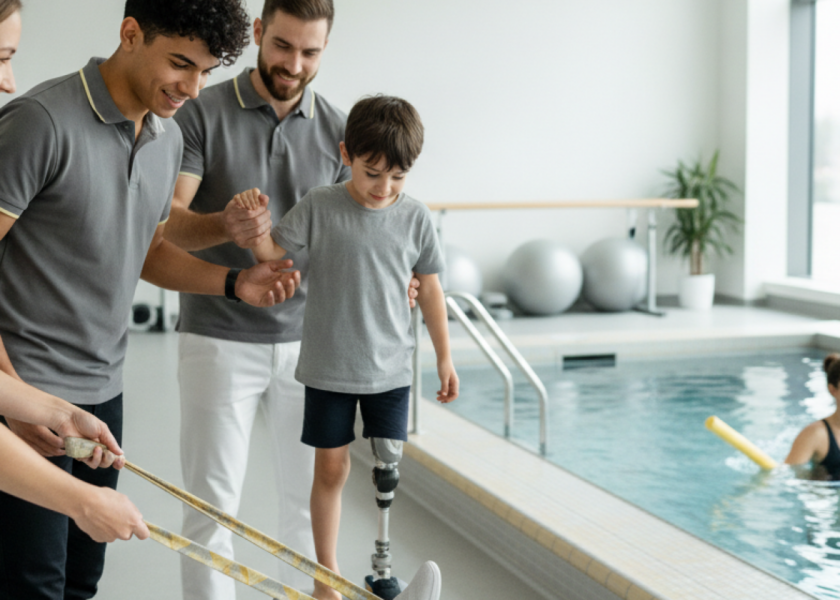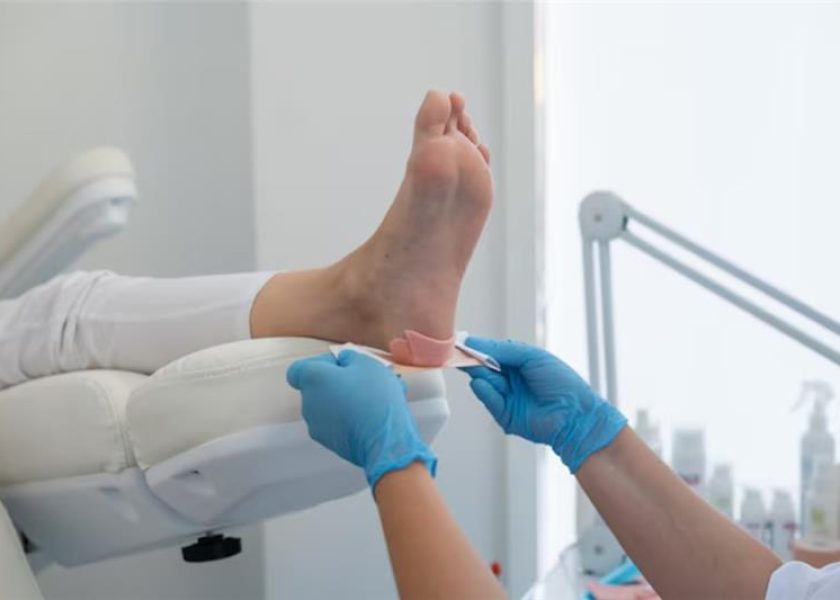
Mobility plays an important role in everyday life. From walking and working to simple daily activities, the ability to move comfortably can affect overall wellbeing. When mobility is limited due to injury, illness, or long-term conditions, physiotherapy offers a structured way to regain movement and confidence. At National Care Providers, physiotherapy focuses on practical, personalised care that supports individuals in improving how they move and function. Working with a top physiotherapist in Blacktown can help identify the root cause of movement difficulties and introduce techniques that are both safe and effective.
This guide explores some of the most commonly used physiotherapy techniques that help improve mobility and support long term physical health.
Understanding Mobility and Why It Matters
Mobility refers to how well a person can move their body freely and without pain. It includes flexibility, strength, coordination, and balance. When any of these areas are affected, daily tasks can become more challenging. Reduced mobility can be caused by a range of factors, including injury, ageing, neurological conditions, or muscle weakness. Physiotherapy focuses on improving these areas through targeted exercises and hands on techniques.
Assessment and Personalised Treatment Plans
Before starting treatment, a physiotherapist conducts a detailed assessment. This helps identify the specific areas that need support.
What an Assessment May Include
- Movement and posture analysis
- Strength and flexibility testing
- Balance and coordination checks
- Understanding medical history
Based on this, a tailored plan is created to match the individual’s needs. A physiotherapy clinic Blacktown typically follows this structured approach to ensure safe and effective care.
Manual Therapy Techniques
Manual therapy involves hands on techniques used by physiotherapists to improve movement and reduce discomfort.
Joint Mobilisation
This technique focuses on gently moving joints to improve their range of motion. It is often used for stiffness or restricted movement.
Soft Tissue Massage
Massage techniques target muscles and connective tissues to reduce tension and improve circulation.
Stretching Techniques
Guided stretching helps lengthen muscles and improve flexibility, which supports smoother movement.
Exercise Based Rehabilitation
Exercise is one of the most important parts of physiotherapy. It helps strengthen muscles, improve flexibility, and restore movement.
Strength Training
Specific exercises target weak muscles to improve support around joints.
Flexibility Exercises
Stretching routines help increase range of motion and reduce stiffness.
Functional Exercises
These exercises focus on everyday movements such as sitting, standing, and walking.
Balance and Coordination Training
Balance is essential for safe movement, especially for older adults or individuals recovering from injury. These activities are introduced gradually to ensure safety and effectiveness.
Why Balance Training Matters
- Reduces the risk of falls
- Improves stability during movement
- Supports confidence in daily activities
Common Techniques
- Standing balance exercises
- Walking drills
- Coordination tasks
Pain Management Techniques
Pain can limit movement and affect quality of life. Physiotherapy includes several techniques to manage pain while improving mobility.
Heat and Cold Therapy
Heat helps relax muscles, while cold therapy reduces inflammation and swelling.
Electrical Stimulation
This technique uses gentle electrical signals to support muscle activation and pain relief.
Taping Techniques
Supportive taping can help stabilise joints and reduce strain during movement.
Neurological Physiotherapy Approaches
For individuals with neurological conditions, mobility challenges may require specialised techniques.
Movement Relearning
Therapists guide patients through controlled movements to rebuild coordination.
Postural Training
Improving posture helps support better balance and movement patterns.
Repetition Based Exercises
Consistent practice helps the brain and body work together more effectively.
The Role of Occupational Therapy in Mobility
Occupational therapy focuses on helping individuals perform daily tasks more independently. An occupational therapy clinic in Blacktown may support individuals who need help adapting their environment or learning new ways to complete tasks.
How It Supports Mobility
- Teaching safe movement techniques
- Recommending assistive devices
- Modifying home or work environments
The Importance of Speech Therapy in Physical Recovery
While speech therapy is often linked to communication, it can also play a role in overall recovery, especially for individuals with neurological conditions.
Speech therapy services Blacktown may support areas such as coordination of facial muscles and swallowing, which can be connected to broader physical health.
Areas of Support
- Communication skills
- Swallowing function
- Cognitive coordination
Hydrotherapy for Gentle Movement
Hydrotherapy involves performing exercises in water, which reduces pressure on joints and makes movement easier.
Benefits of Hydrotherapy
- Supports low impact movement
- Reduces joint stress
- Improves flexibility and strength
Assistive Devices and Mobility Aids
In some cases, assistive devices can support safer and more comfortable movement. Physiotherapists guide individuals on how to use these aids correctly to maintain independence.
Common Aids
- Walking frames
- Canes
- Orthotic supports
The Importance of Consistency in Physiotherapy
Regular practice and consistency are key to improving mobility. Physiotherapy is not only about attending sessions but also about continuing exercises at home.
Tips for Staying Consistent
- Follow prescribed exercises regularly
- Maintain a routine
- Track progress over time
- Communicate with your therapist
Preventing Future Mobility Issues
Physiotherapy also focuses on prevention by improving strength, flexibility, and posture. Working with a top physiotherapist in Blacktown can help identify potential risks early and address them before they become more serious.
Preventive Strategies
- Regular physical activity
- Stretching routines
- Proper posture
- Early intervention for discomfort
Long Term Benefits of Physiotherapy
Improving mobility can have a positive impact on many aspects of life. These outcomes are achieved through consistent effort and guided support.
Key Benefits
- Greater independence
- Reduced discomfort
- Improved physical confidence
- Better participation in daily activities
Conclusion: Moving Towards Better Mobility
Improving mobility is a gradual process that requires the right combination of techniques, guidance, and consistency. Physiotherapy offers a structured approach that focuses on building strength, flexibility, and confidence in movement. With personalised care and a focus on practical outcomes, individuals can work towards better mobility in a way that fits their lifestyle and needs.
If you are looking to improve mobility and explore the right support options, contact us today to learn how tailored physiotherapy services can help you move with greater ease and confidence.